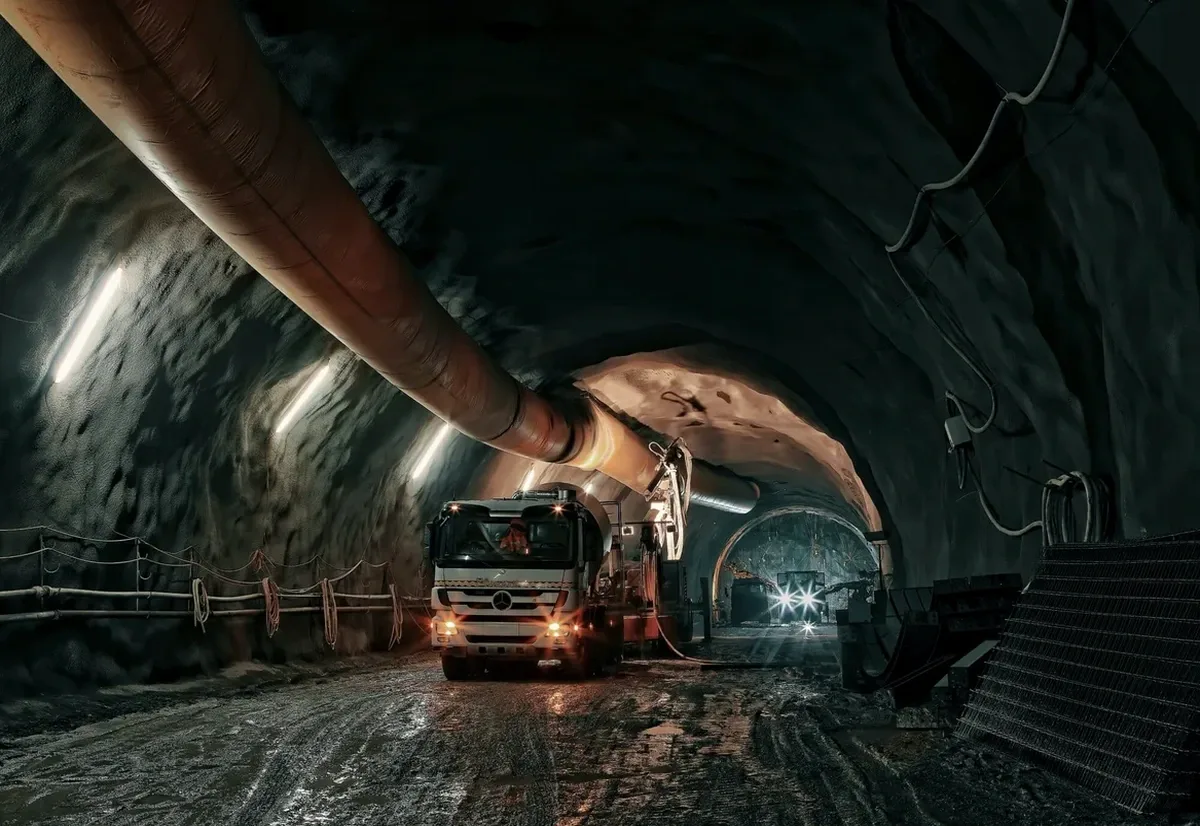
Seattle’s subsurface is a geotechnical puzzle. Glacial till, advance outwash, and interglacial silts sit right beneath downtown. For any tunnel project in these soft soils, IBC Chapter 18 and ASCE 7-22 demand site-specific analysis before the first cut. We don't guess. We drill. Our team runs SPT drilling at alignment depth to measure blow counts in the glacially overridden layers. Then we map transitions between the Lawton Clay and the Esperance Sand. These contacts can ruin a TBM drive if they aren't identified early. We carry out that identification. Every boring log includes ASTM D2487 classification and careful notes on water-bearing zones. Seattle tunnels leak. The data you need to prevent that starts here.
Seattle tunnels fail at the clay-sand interface. Identifying the Lawton-Esperance contact is the single most critical logging task.
FAQ
What is the typical cost range for a soft soil tunnel geotechnical investigation in Seattle?
Investigation costs for a tunnel alignment in Seattle typically range from US$4,750 for a limited scope with a few borings to US$15,910 for a comprehensive program including lab testing and a full Geotechnical Baseline Report. The final figure depends on tunnel length, depth, and site access constraints.
Which soil units cause the most problems for tunnels in Seattle?
The transition zone between the Lawton Clay and the Esperance Sand is notorious. The clay is stiff but fissured; the sand is dense but water-bearing. At the contact, face instability and running ground conditions occur without warning. We log this contact carefully in every boring.
Do you test for methane or other gases in Seattle tunnel projects?
Yes. In areas with historic fill or decomposed organic silt, such as the Duwamish corridor, we include gas monitoring in our investigation scope. Methane pockets trapped in confined layers pose both safety and operational risks during TBM excavation.
How long does a full tunnel geotechnical investigation take?
Fieldwork usually takes 2 to 4 weeks depending on the number of borings and depth. Laboratory testing adds another 3 to 5 weeks for consolidation and triaxial tests. The Geotechnical Baseline Report is typically delivered 8 to 10 weeks after drilling starts.